
Overcoming Wrist, Knee, and Ankle Strains: How Extremity Adjustments Keep You Active in the Fall
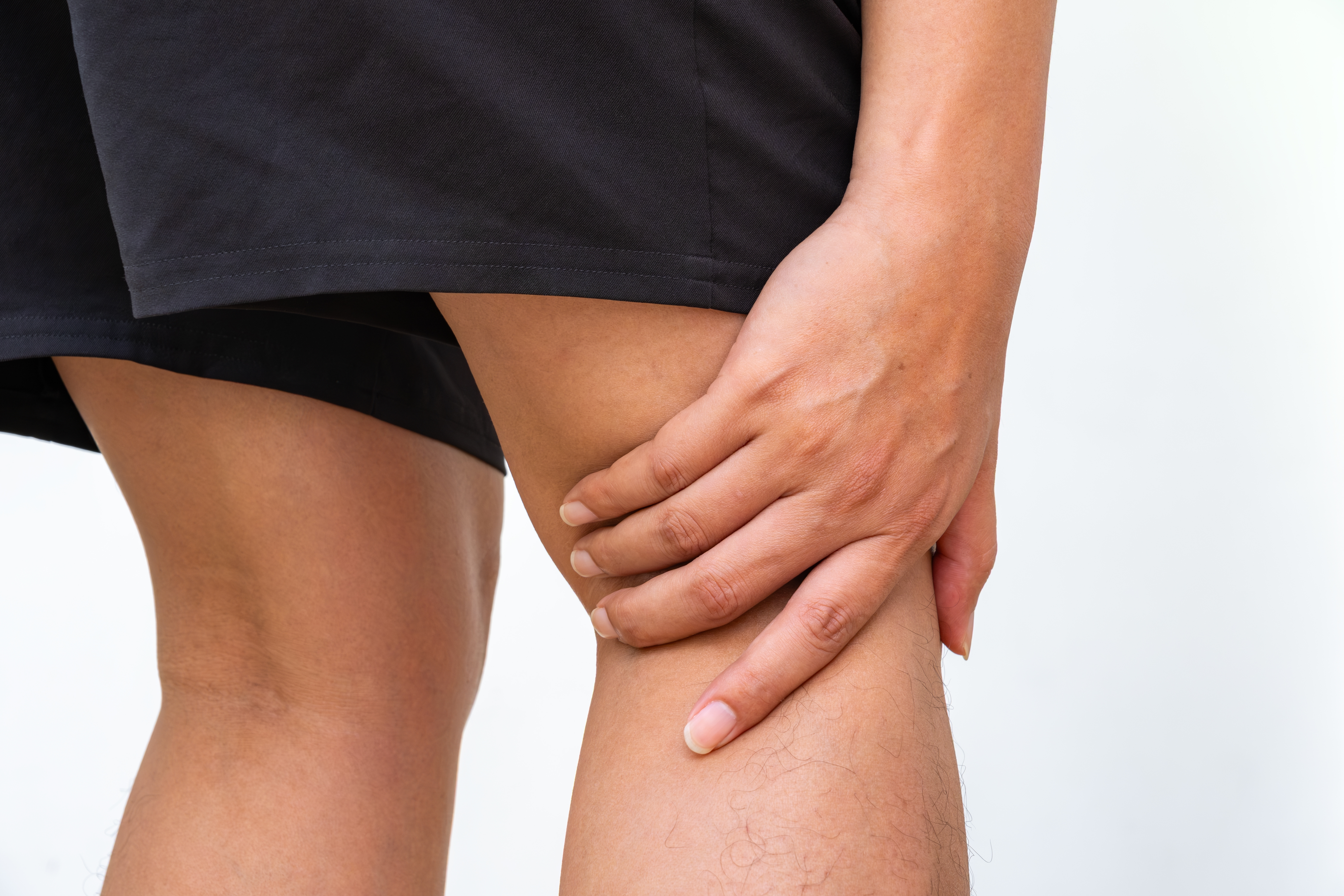
Fall often brings more running, hiking, yard work, recreational sports, and outdoor activity around Charlotte. While staying active is good for your health, a sudden increase in movement can also expose weak or irritated joints. Wrist, knee, and ankle strains can make everyday tasks uncomfortable and may keep you from the activities you enjoy.
At Charlotte Chiropractic and Rehab, we evaluate extremity pain as part of a personalized chiropractic and rehabilitation approach. When joint mobility, soft tissue tension, or movement patterns contribute to discomfort, targeted care may help restore function and support a safer return to activity.
Why Extremity Strains Develop
Strains often occur when muscles, tendons, or surrounding tissues are overloaded. Sometimes the problem follows one awkward movement, while other cases develop gradually from repetitive activity or overuse.
Knee discomfort may appear after running, hiking, or sports. Ankle strains can follow uneven terrain or a misstep. Wrist pain may develop from lifting, exercise, repetitive work, or prolonged computer use.
Once pain starts, people often change how they move to avoid discomfort. Those compensations can place additional stress on nearby joints and muscles, potentially prolonging the problem.
Signs an Extremity Injury Needs Attention
Minor soreness may improve with rest, but persistent symptoms deserve an evaluation, especially when they affect normal movement.
Watch for:
- Pain that continues or returns with activity
- Swelling or stiffness around a joint
- Reduced range of motion
- Difficulty gripping, walking, climbing stairs, or exercising
- A feeling that a knee or ankle is unstable
- Discomfort that causes you to favor one side
- Repeated flare-ups after returning to activity
Severe swelling, inability to bear weight, obvious deformity, or significant weakness may require medical imaging or another type of evaluation before chiropractic treatment is appropriate.
How Extremity Adjustments May Help
Chiropractic care is not limited to the spine. Extremity-focused adjustments or joint mobilization may be used when restricted movement in the wrist, knee, ankle, or another joint is contributing to discomfort or altered mechanics.
The goal is not to force a joint back into place. Instead, care focuses on improving how the joint moves and how it functions with the surrounding muscles and tissues.
At Charlotte Chiropractic and Rehab, Dr. Derek Maul evaluates the source of extremity pain before developing a treatment plan. This helps determine whether chiropractic adjustments, rehabilitation, soft tissue care, or another approach is appropriate.
Rehabilitation Helps Build Better Support
Restoring motion is only part of recovering from a strain. The muscles surrounding an injured joint also need enough strength and control to handle normal activity.
Rehabilitation exercises may be used to improve mobility, strength, balance, and movement patterns. For ankle and knee problems, this can be especially important for reducing instability when running, walking on uneven surfaces, or returning to sports.
Wrist rehabilitation may focus on restoring comfortable movement and improving the strength needed for lifting, gripping, or repetitive daily tasks.
A Combined Approach Can Address More Than the Joint
Strains frequently involve both the joint and surrounding soft tissues. Tight muscles, trigger points, or restricted fascia can affect movement even after the initial irritation begins to settle.
Depending on your needs, Charlotte Chiropractic and Rehab may incorporate other services such as dry needling, myofascial release, massage therapy, or rehabilitation alongside chiropractic care. The treatment plan is based on the individual injury rather than using the same technique for every patient.
Stay Active Without Ignoring Persistent Pain
Trying to push through a wrist, knee, or ankle strain can lead to compensation and make activity increasingly uncomfortable. Early evaluation can help identify what is limiting your movement and determine an appropriate path back to exercise, work, and everyday activities.
If joint pain or a lingering strain is keeping you from enjoying fall activities in Charlotte, schedule an evaluation with Charlotte Chiropractic and Rehab at 7810 Ballantyne Commons Pkwy, Suite 101B, Charlotte, NC 28277, or call (704) 543-4307 to explore personalized chiropractic and rehabilitation care designed to improve movement and keep you active.


Queens Road
Ballantyne
© 2026 Charlotte Chiropractic and Rehab. All rights Reserved. Accessibility Statement - Privacy Policy - Sitemap
Powered by:
